Intermediate Medical Spanish
Sobre este libro
This is an intermediate/advanced level textbook directed toward students who are interested in learning the necessary medical terminology and cultural sensitivity to successfully care for the U.S. Spanish-speaking community in medical contexts. This textbook is divided into 13 chapters that include medical vocabulary, dialogues between medical professionals and patients, case studies, readings on health issues that affect the Latino community, readings to deepen students’ cultural competence while working with Latino patients, and interactive and realistic activities to provide students the tools they need to effectively care for this population. This textbook is unique in the market in its cultural perspective focused on the diversity and complexity of the Latino community living in the United States. The book addresses particular health concerns that affect the Hispanic population such as specific illnesses (diabetes type 2, asthma, chronic obstructive pulmonary disease, HIV/AIDS, obesity, and liver disease) as well as barriers to accessing healthcare and, at the same time, the book highlights the complexity and diversity among this population. Most medical Spanish textbooks on the market only offer lists of words and common phrases to provide basic tools of communication to healthcare workers. Intermediate Medical Spanish: A Healthcare Workers' Guide for Communicating With the Latino Patient, by contrast, is directed to learners with intermediate and advanced levels of Spanish who wish to broaden their use of the target language in medical contexts. Some of the topics covered in the textbook are: children’s health, maternal and reproductive health, diet and nutrition, mental health, and physical therapy. The book includes hundreds of vocabulary exercises and critical thinking activities pertaining to cultural awareness. The book also includes a key for some of the vocabulary exercises, a Spanish-English glossary, and a list of common medical procedures
Cómo acceder a esta obra
Sigue descubriendo el libro y consulta las opciones para obtenerlo en formato digital.
Valoración
Más libros de la temática Filología


Novedades Literarias
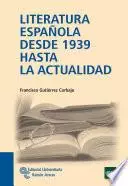
Literatura española desde 1939 hasta la actualidad
Francisco GutiÉrrez Carbajo

Juegos para niños con necesidades educativas especiales
Mónica Montes Ayala

Esclava de la libertad
Ildefonso Falcones

Matemáticas re-creativas
Alan J. Bishop